Blog
Practical Guide to Liquid Supplement Contract Manufacturing
From formats, stability and flavor to costs and MOQs, learn how liquid supplement contract manufacturing actually works.
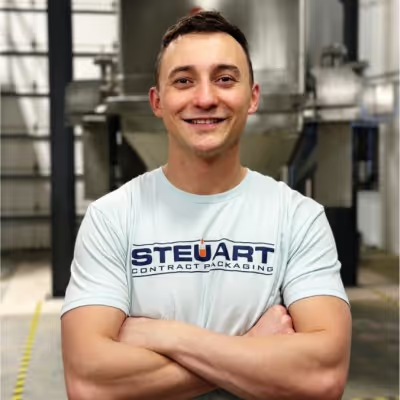
Ben Steuart
December 11, 2025

From formats, stability and flavor to costs and MOQs, learn how liquid supplement contract manufacturing actually works.
Brands and supply chain managers already know they should be in liquids. Customers are asking for tinctures, wellness shots, and liquid vitamins. Competitors are launching slick products. And every report screams “liquid supplement growth.”
But many brands hesitate because they aren’t confident about actually manufacturing them.
From formulation and stability to cost, quality, and scaling, this guide walks you through what actually matters when choosing a liquid supplement manufacturing partner.
If you only read one section, read this.
It’s worth asking: Why bother?
Liquids are harder to make than powders, take more R&D time, and manufacturers ask brands to commit to higher MOQs. But the payoff can be worth it. Here’s why serious brands are leaning in:
Consumers often prefer liquid pre-workout, energy, sleep, stress, and wellness shots because they can feel the effects faster. They’re already dissolved, so they’re absorbed into the body more quickly than capsules. Plus, a liquid collagen elixir, adaptogen tonic, or metabolic wellness shot is easier to build a brand story around than “just another capsule.” The format looks premium, photographs well, and feels different in the hand.
Doses are flexible, and even though many brands find liquids intimidating, you can move into categories your competitors are too nervous to touch by partnering with a strong liquid supplement manufacturer.
When you’re talking to a contract manufacturer, “liquid” isn’t specific enough. Format heavily impacts equipment, packaging, MOQs, and cost structure. Knowing your target helps qualify the right partner so you don’t waste time talking with generalists.
Here are the main types:
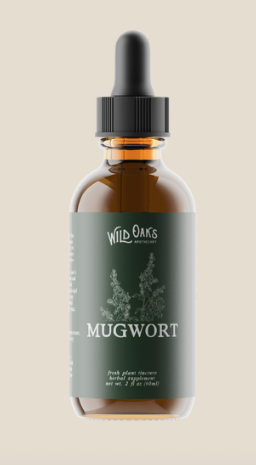
These live in small dropper bottles inside an alcohol or glycerin base. They’re great for botanicals, adaptogens, and “daily drop” formulas. And if they’re alcohol-based, they’re often self-preserving.
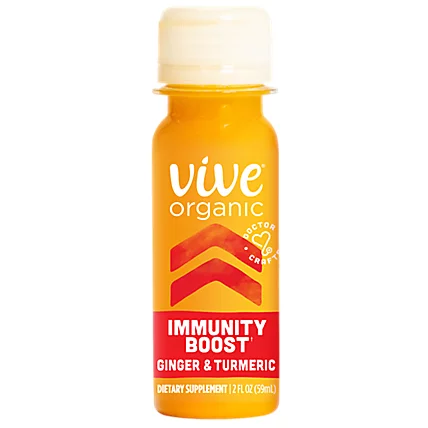
Examples include immune shots, apple cider vinegar (ACV) shots, pre-workout shooters, and collagen elixirs. They’re usually water-based, flavored and sweetened, but need extra effort to preserve stability.
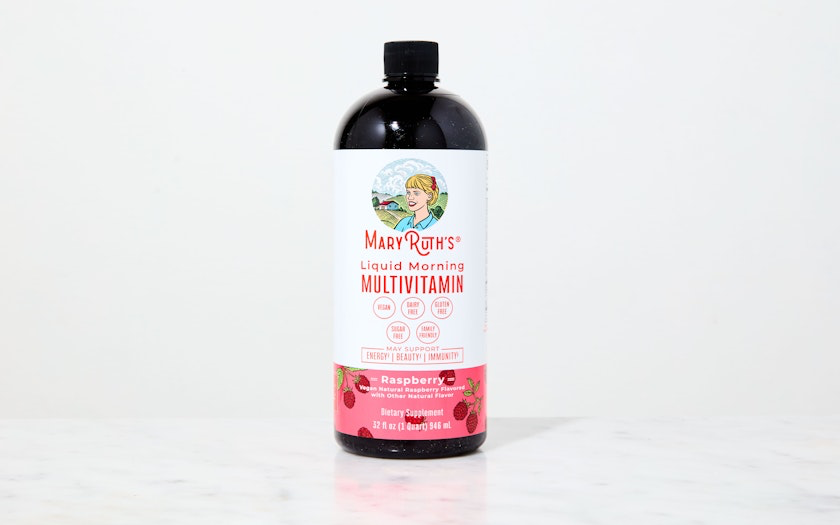
Think: multivitamins, mineral blends, kids’ vitamins, and family-friendly formulas that come in larger, multi-serving bottles. They’re heavier, which means more shipping and packaging considerations, but they’re great for daily-use at-home products.
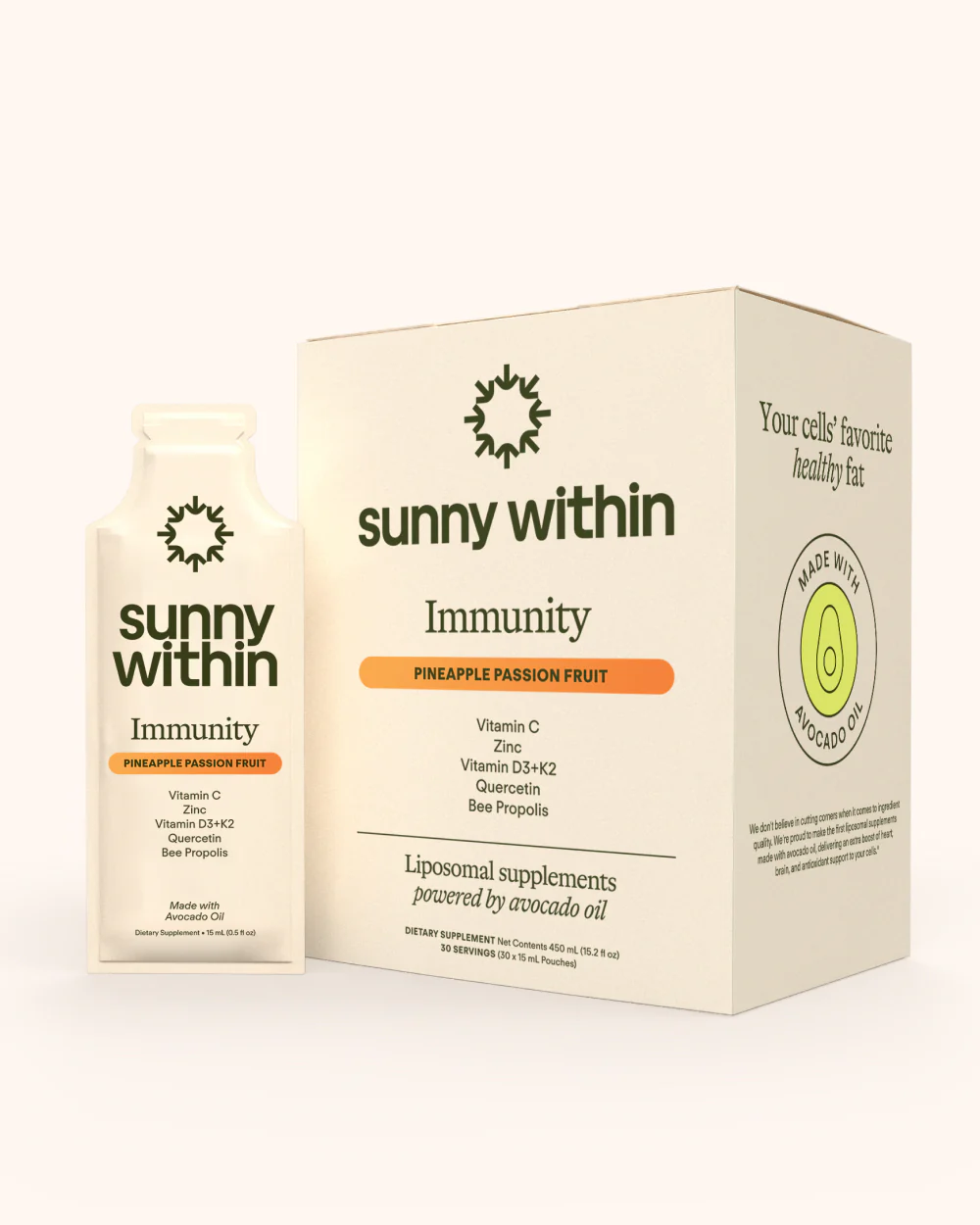
Active ingredients are encapsulated in liposomes or nano-emulsions. That’s important for supplements with active ingredients that need protection and help absorbing in the body, but the tradeoff is a higher level of manufacturing complexity.
Every manufacturer has their own SOPs, but the backbone of liquid supplement manufacturing should look something like the following.
1) Formula Development & Feasibility Testing: Here, we confirm your ingredients play well together. The team will identify stability risks – light, oxygen, pH, heat – and decide on a preservation system and flavor profile that fits your brand.
2) Lab Batches & Flavor Work: Next, we experiment with taste, texture, solubility, and flavors. The goal is to create a product that’s truly drinkable – if something doesn’t taste right, consumers won’t be buying a second time.
3) Pilot Run: Now, we scale up to real equipment. We’re looking for separation, foaming, fill accuracy, and any processing issues that separate the bench result from what consumers will actually receive.
4) Full-Scale Production: Once a pilot succeeds, we’re ready for full-scale production: weighing and verifying raw materials, mixing under controlled conditions, filtration or emulsification processes (if needed), filling, capping, sealing, coding, and packaging.
5) Quality Control and Release: Each batch is tested for potency, stability, heavy metal contamination, and bacteria. Once everything passes, you’ll receive a Certificate of Analysis (COA) confirming the test results, and the product is released for sale.
Liquid supplements are hard. And many brands get burned because they choose a manufacturer who doesn’t know how to work through these issues.
Some ingredients simply don’t like being in liquid. They break down when exposed to heat, light, oxygen, or certain pH levels, and when you ignore those issues, you’ll end up with a supplement that fails potency tests six months after production.
Strong liquid supplement manufacturers know how to tune pH levels, choose the right ingredients in the first place, incorporate light-protective packaging, and even incorporate potency buffers to ensure your label claim is accurate, even at the end of its shelf life.
Nothing kills a premium image faster than a ring of sludge at the bottom of a bottle.
Fixing this isn’t easy, but experienced manufacturers lean on solvent systems, high-shear mixing, homogenization, and emulsifying techniques that prevent separation. And when necessary, they’ll know when to suggest a “shake well before using” label.
Unless you have something people want to take daily, your product probably won’t succeed without a great flavor profile.
But adaptogens, minerals, and some amino acids can be brutally bitter or metallic-tasting. If you’re working with an inexperienced R&D team, they won’t know how to isolate key “off-notes,” design flavor systems around them, and use inappropriate sweeteners and bitter blockers.
On paper, 15+ active ingredients sound impressive. But it can be a mess of interactions, precipitation, muddy flavors, and stability nightmares.
That’s why mature manufacturers push brands towards simpler, targeted formulas. Fewer headaches, better shelf life, and easier to explain to customers.
Quality & Regulatory Standards for Liquid Supplements (Without the Jargon)
You don’t need to be a regulatory attorney, but you do need to know what “good” looks like on the compliance side.
Here’s a simple checklist. Your partner should:
And if they get defensive when you mention audits, walk.
Liquid supplement manufacturing usually costs more than capsule supplement manufacturing. But they can also justify hire price points, and margins. The key is understanding why they cost what they do, and what to do about it.
Major cost centers include:
Working with a manufacturer who has strong supplier relationships can get you preferred pricing on raw materials or packaging. But more than that, you need to be ruthless about your formula. “Nice-to-have” additives that add complexity, but no “story” or additional value? Cut them.
Starting with in-stock or semi-custom packaging can save money as well.
And sometimes, a slightly larger first run is better than a tiny overpriced test batch.
Start by clarifying who you help, and how. The best products solve a visceral problem for customers.
Then, define your non-negotiables. Do you need a clean label? Organic ingredients? Sugar-free sweeteners or flavors?
Next, shortlist 2-3 true liquid supplement contract manufacturers, and confirm they’re already running liquids. You can ask for broad category examples without violating NDAs. Note: this should be a technical conversation and a pricing conversation. Their approach to stability, flavor, and preservation is as important as their pricing structure and R&D fees.
Finally, don’t pick the cheapest quote – find a partner who acts as an extension of your team.
Liquid supplements are not “just another format.” They’re a strategic tool that can differentiate you, create higher perceived value, and deliver for your customers.
But they only pay off if you pair with the right liquid supplement manufacturing partner – one that understands stability, flavor, compliance, and scale.
At Steuart Nutrition, we’ve seen it go both ways:
If you’re a brand owner or supply chain leader, approach it like a long-term strategy, not a one-off experiment. Choose partners who challenge your assumptions, protect your brand, and help build something that actually lasts on the shelf and in your customers’ routines.
When you’re ready to talk, we can help. Reach out for a free consultation today.
Ben Steuart — CEO & Owner, Steuart Nutrition

Ben Steuart is the co-founder and CEO of Steuart Nutrition, a contract manufacturing and supplement innovation partner for powder, liquid, and stick‑pack supplements. He launched the company in 2019 alongside his wife, Sarah, building on his lifelong roots in the food production industry, where he grew up working in his father's food-manufacturing business in Mabel, Minnesota.
Throughout his career, Ben has developed deep expertise in supplement manufacturing and business operations. At Steuart, he leads with a commitment to lean operations, fostering long-term partnerships, and delivering flexible, transparent service—prioritizing the client’s vision as much as his own. His leadership guided the business’s rapid expansion from a single facility to multiple locations, enabling agile responses to market needs—from producing hand sanitizer during the COVID‑19 pandemic to scaling CBD and nutrition supplement lines.
Your Brand Deserves a Manufacturing Partner That Scales With You.